
Article
La Marmotte: Training and Power-Pacing Guide
How to train for and pace La Marmotte — 174 km and 5,000 m over the Glandon, Galibier and Alpe d'Huez. Power targets per climb, fuelling, and how to save your legs.
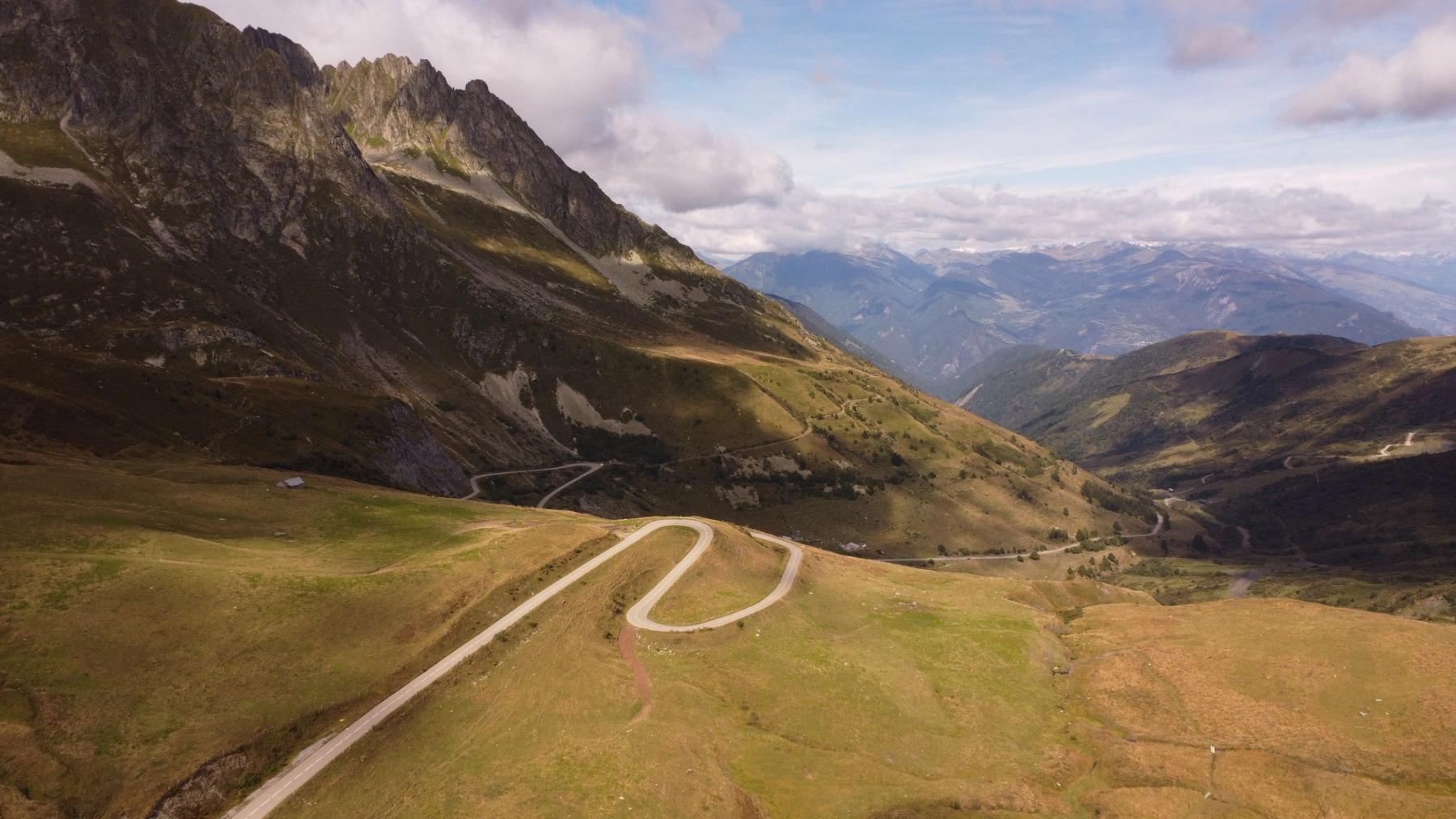
La Marmotte is one of cycling's hardest one-day sportives: roughly 174 km and 5,000 m of climbing over the Col du Glandon, the Col du Télégraphe, the Col du Galibier and a final ascent of Alpe d'Huez. The single biggest mistake is going too hard early. To finish strong, pace it by power: ride the first climbs well below threshold, protect your matches on the Galibier, and keep enough in reserve to climb Alpe d'Huez at the end.
The route
From Le Bourg-d'Oisans you climb the Glandon almost immediately, descend (neutralised for safety in the timed event), roll through the valley to the Télégraphe, continue over the Galibier to its high, thin air at 2,642 m, take the long descent toward Bourg-d'Oisans, and finish up the 21 hairpins of Alpe d'Huez. Four big cols, very little flat, and the hardest climb saved for when you're emptiest.
How to pace La Marmotte by power
Climb the Glandon at a controlled tempo — for most riders that's around 75–80% of FTP — and resist the temptation to chase groups surging past; you'll see them again. Soft-pedal and fuel on the descent and valley, sharing turns to save energy. Take the Télégraphe and Galibier at a steady sub-threshold effort, watching that you don't spike your power on the steeper ramps. Then descend, recover, and treat Alpe d'Huez as your one permitted hard effort: ride it close to threshold and let your anaerobic reserve (W′) run down only in the final kilometres.
Training for La Marmotte
You need two things: the endurance to be on the bike for six to ten hours, and durability — the ability to still climb well after thousands of metres in your legs. Build long rides with sustained climbing tempo, add back-to-back big days to mimic accumulated fatigue, and practise long sub-threshold efforts. If you live somewhere flat, you can still prepare — see how to train for long climbs when you live somewhere flat.
Fuelling, heat and altitude
Aim for 60–90 g of carbohydrate per hour from the start — you can't make up calories once you're behind — and drink to thirst, more in the heat. The Galibier's altitude will quietly cut your sustainable power, so don't fight it; ride to effort, not ego. Alpe d'Huez often bakes in the afternoon sun, so manage core temperature on the lower slopes and use the feed zones.
How Stride helps you pace it
Stride's course power-planner takes the actual La Marmotte route and your rider profile and computes target power for each climb using gradient, your CdA and the day's wind, so you go in with a number to ride to rather than a vague plan. It models your W′ balance so you can see exactly how much you can spend on Alpe d'Huez, factors weather along the route, and the Stride AI Planner builds the training block that gets you there. Plan your Marmotte with Stride.
Frequently asked questions
- How hard is La Marmotte?
- Very. It's about 174 km with roughly 5,000 m of climbing over four major cols, finishing up Alpe d'Huez. Most amateurs finish in 7–10 hours, and pacing the early climbs too hard is the most common reason riders blow up before the final ascent.
- What FTP do you need for La Marmotte?
- There's no minimum, but a higher power-to-weight ratio makes the climbs far easier. More important than a big FTP is durability and pacing — holding a sustainable sub-threshold effort for hours and saving your anaerobic reserve for Alpe d'Huez.
- How should I pace Alpe d'Huez at the end?
- Treat it as your one hard effort of the day: ride close to threshold and let your W′ balance run down only in the last few kilometres. If you've paced the Glandon and Galibier conservatively, you'll have the reserve to do it.
- How many weeks should I train for La Marmotte?
- Most riders want 12–16 weeks of focused training, building long endurance rides, sustained climbing tempo and back-to-back big days for durability. Stride's AI Planner can build and adapt that block around your schedule.
- Does altitude affect my power on the Galibier?
- Yes. At the Galibier's 2,642 m summit the thinner air reduces the power you can sustain, so ride to effort rather than a fixed wattage near the top. Stride's pacing accounts for the route's profile so your targets stay realistic.